
Cancún can be presented as a cultural destination, anchored by its Maya roots and colonial links through Valladolid, gives travel agents new angles to work with. It becomes more than a beach—it becomes an entry point for understanding the Yucatán Peninsula.
Cancún is often seen as a beach-only destination, but just beyond the resorts lies a rich cultural landscape that remains under the radar for many North American travel professionals. Its proximity to the Maya world makes it a strategic hub for exploring archaeological sites like El Rey, San Miguelito, and Yamil Lu’um—quiet locations tucked into the hotel zone that most visitors pass without noticing. These sites provide immediate context to the region’s ancient heritage without needing to leave the city.
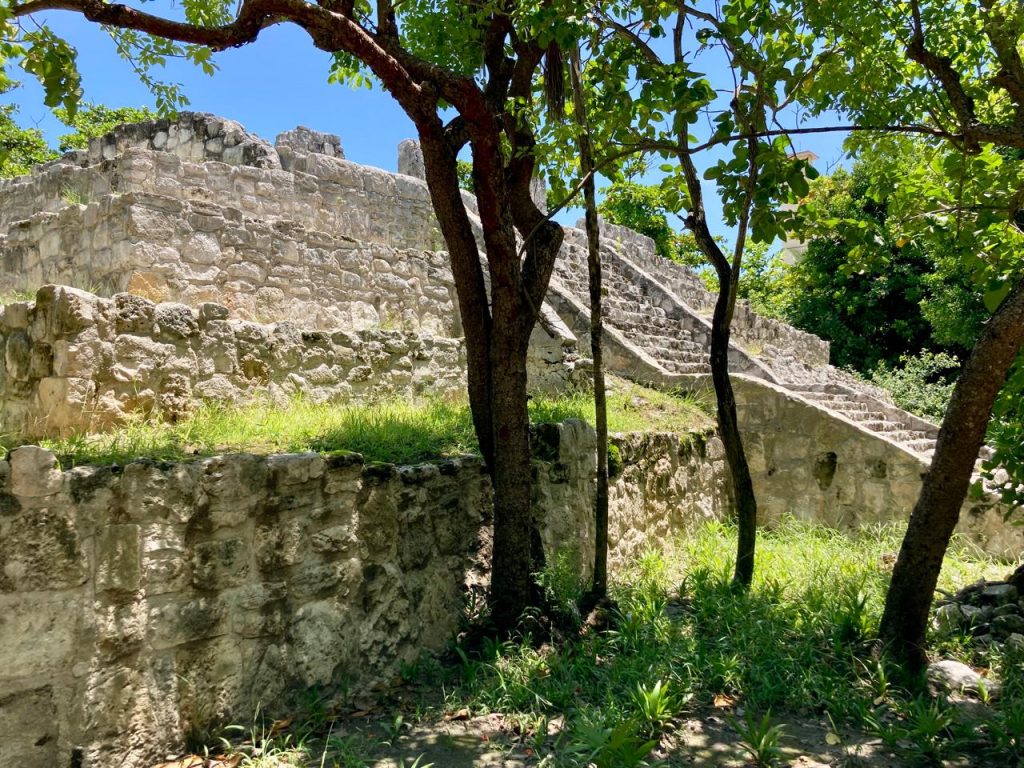
For travelers looking to go deeper, Cancún is well-positioned for day trips or overnight cultural extensions. Cobá, Tulum, and Chichén Itzá are all within reach, each offering a different look at Maya urban life. With early departures and good planning, clients can avoid crowds and still return to their hotel before dinner.
To add a colonial layer, many programs include Valladolid. Located two hours from Cancún, this small city offers a balanced experience of living Maya culture and colonial heritage.
Its central square, 16th-century convent, and restored homes tell the story of the post-conquest era. Walking along Calzada de los Frailes gives guests access to both architecture and artisan craft.
Valladolid is also a gateway to cenotes—some within walking distance of downtown
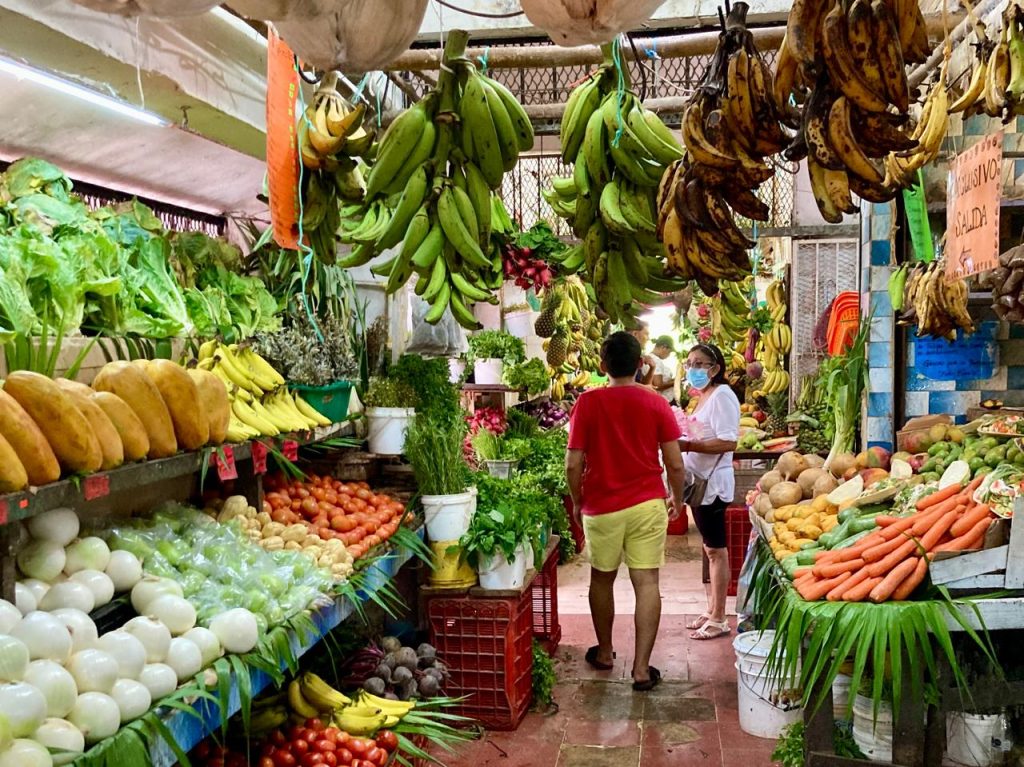
Back in Cancún, downtown areas like Mercado 23 and Parque de las Palapas showcase daily life far removed from the resorts. Visitors can try Yucatecan street food like panuchos and salbutes, attend small cultural events, and explore the Museo Maya de Cancún.
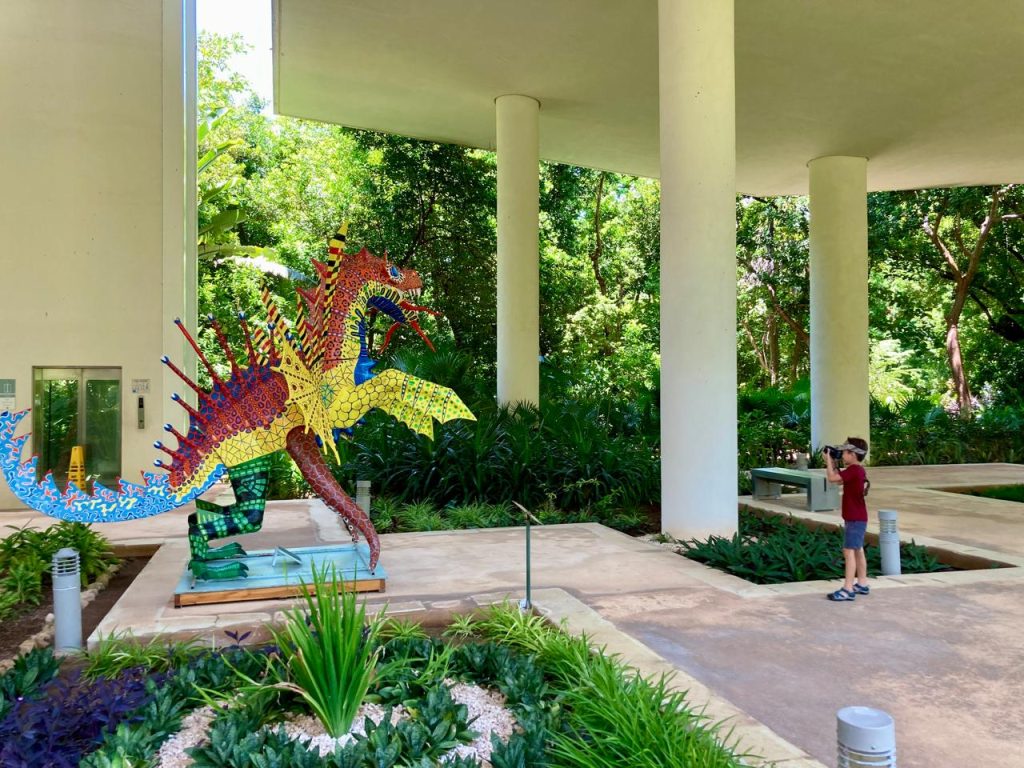
The museum sits next to the San Miguelito archaeological site, offering a quiet walk through ruins and jungle in the heart of the city.
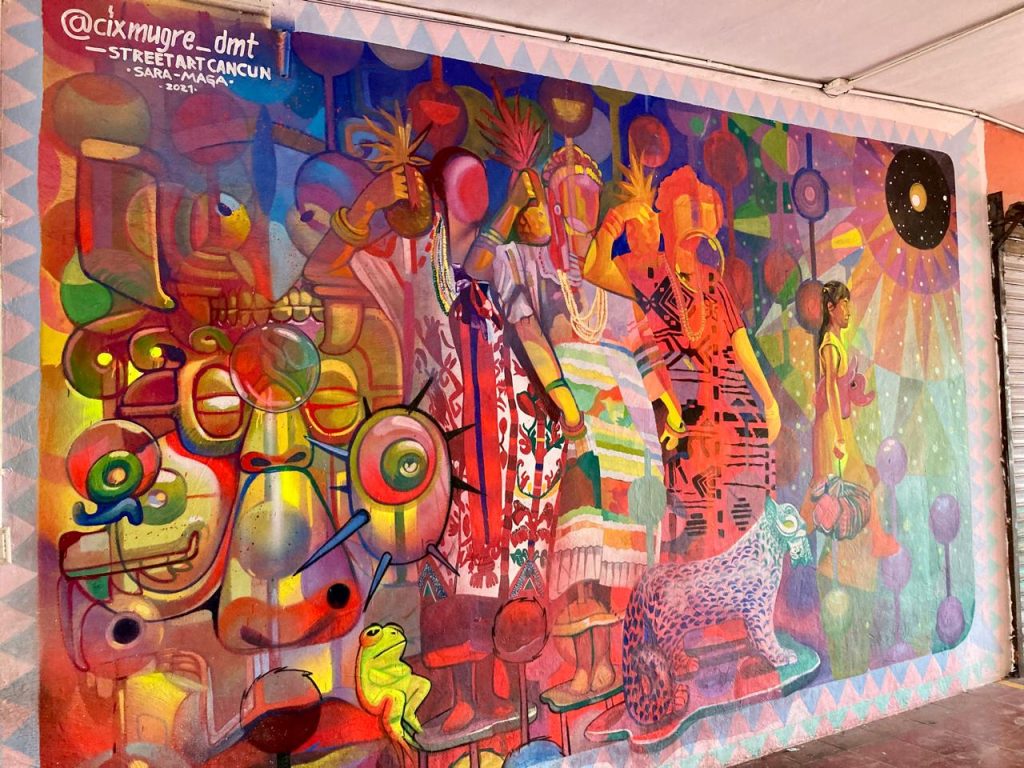
Cancún’s contemporary scene is also worth noting. Local artists, chefs, and musicians are creating new spaces for expression, often away from the hotel zone. With the right connections, these can become part of a custom itinerary.