
A full week itinerary that highlights the culture, nature, food, and traditions that define the essence of Oaxaca.
We landed in Oaxaca excited for what was ahead. After settling in, we met our guide for a short orientation and took it easy that first afternoon.
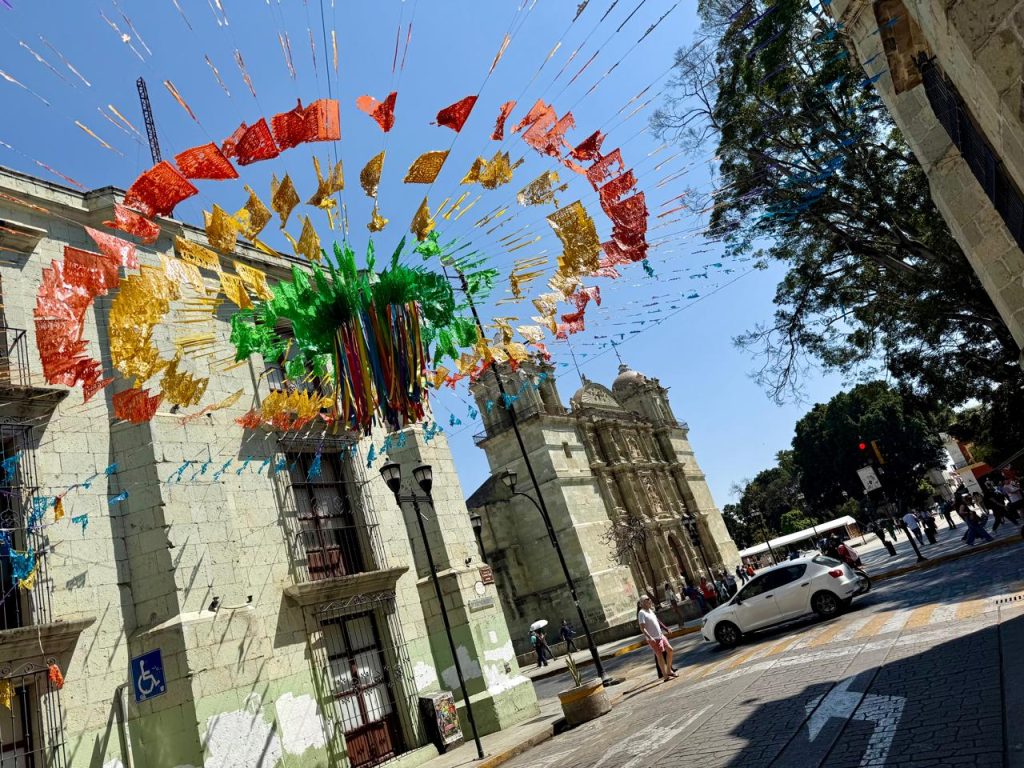
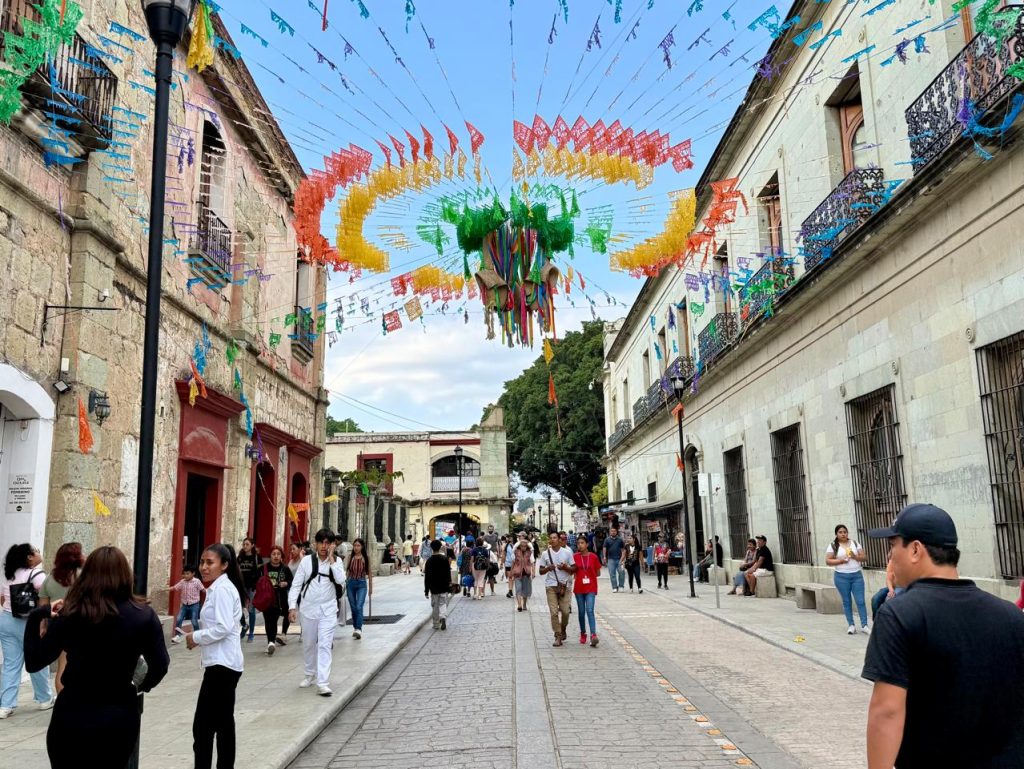
Our first full day in Oaxaca started on foot. We met up with our guide near the city center and headed out to explore. The pace was relaxed, which made it easy to take in the details — cobbled streets, colorful facades, and small neighborhood scenes unfolding quietly in the background.
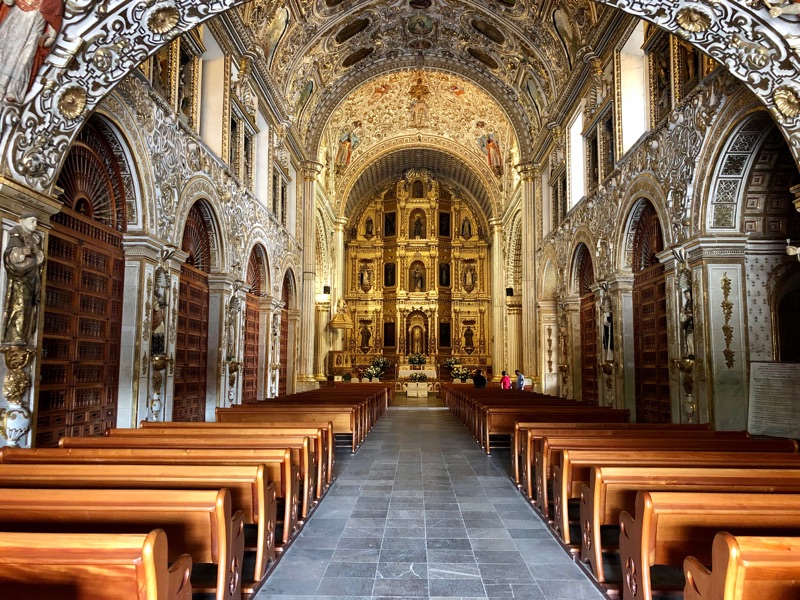
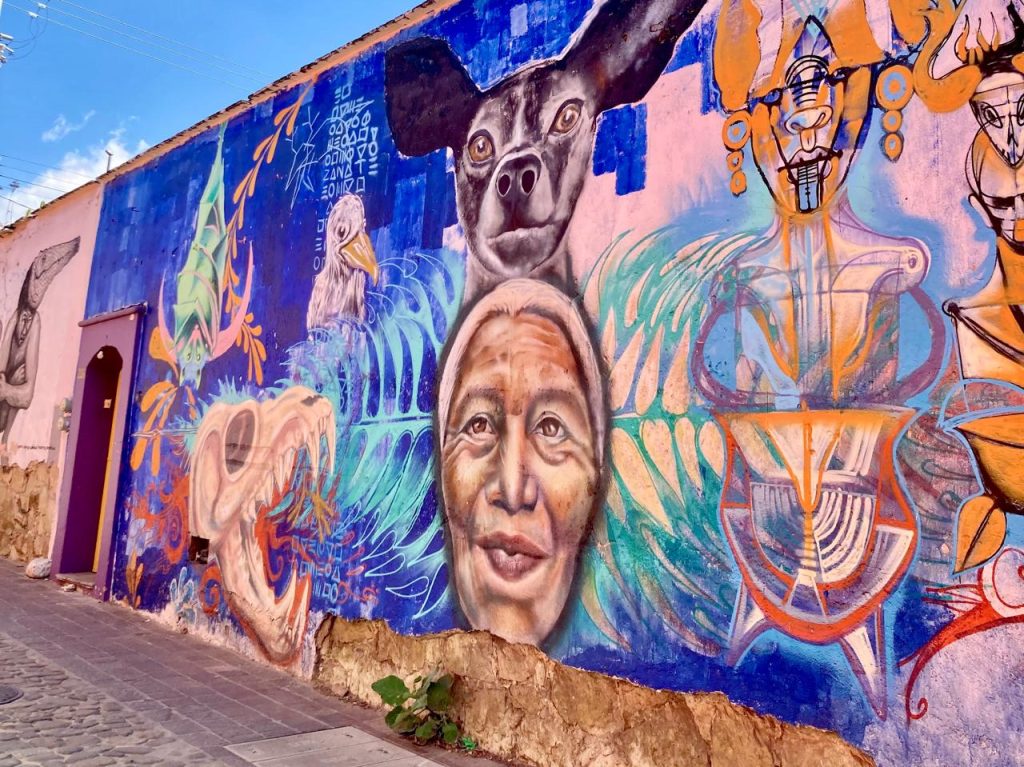
We visited Jalatlaco and Xochimilco, two older parts of the city known for their murals and restored homes. Both felt a little outside the main tourist circuit, with calm streets and a mix of workshops and family homes. At the market, we followed the scent of fresh bread and hot mole to different stands, each one run by people who’ve been selling there for years. The guide introduced us to a few vendors and explained how the market works — not just as a place to shop but as a meeting point for the community. We stopped at several churches and galleries, learning how Oaxacan identity continues to evolve through both tradition and experimentation. By the end of the day, I felt like I had a better sense of the city’s pace and rhythm.


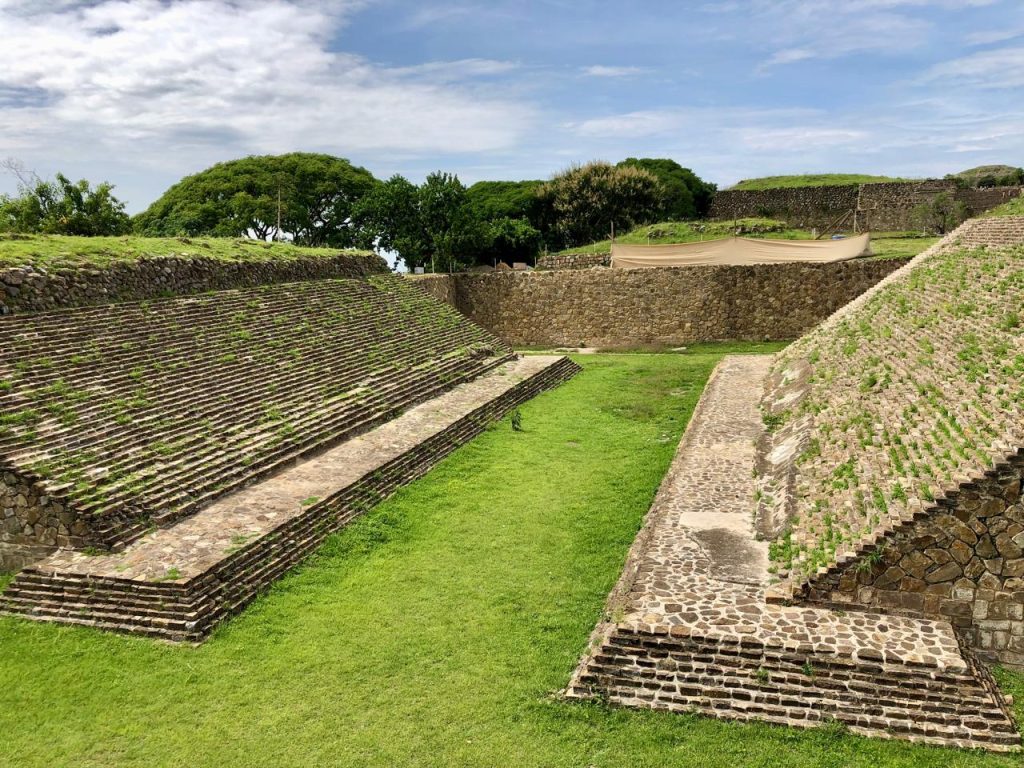
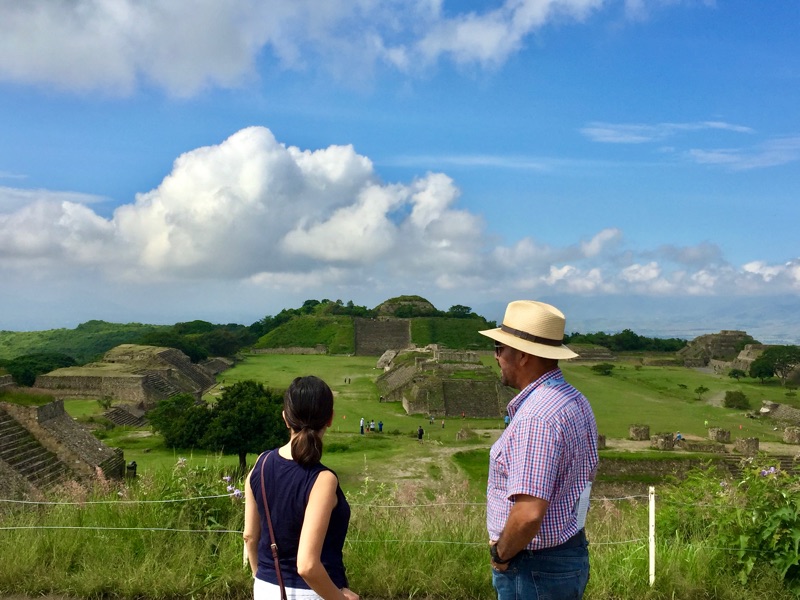
Day three took us up to Monte Albán. It’s only a short drive from the city, but it feels removed from the everyday noise. The site sits high above the valley and offers a clear view of the mountains and towns below. We walked through wide plazas, climbed up some of the platforms, and listened as the guide explained the layout and purpose of different buildings.
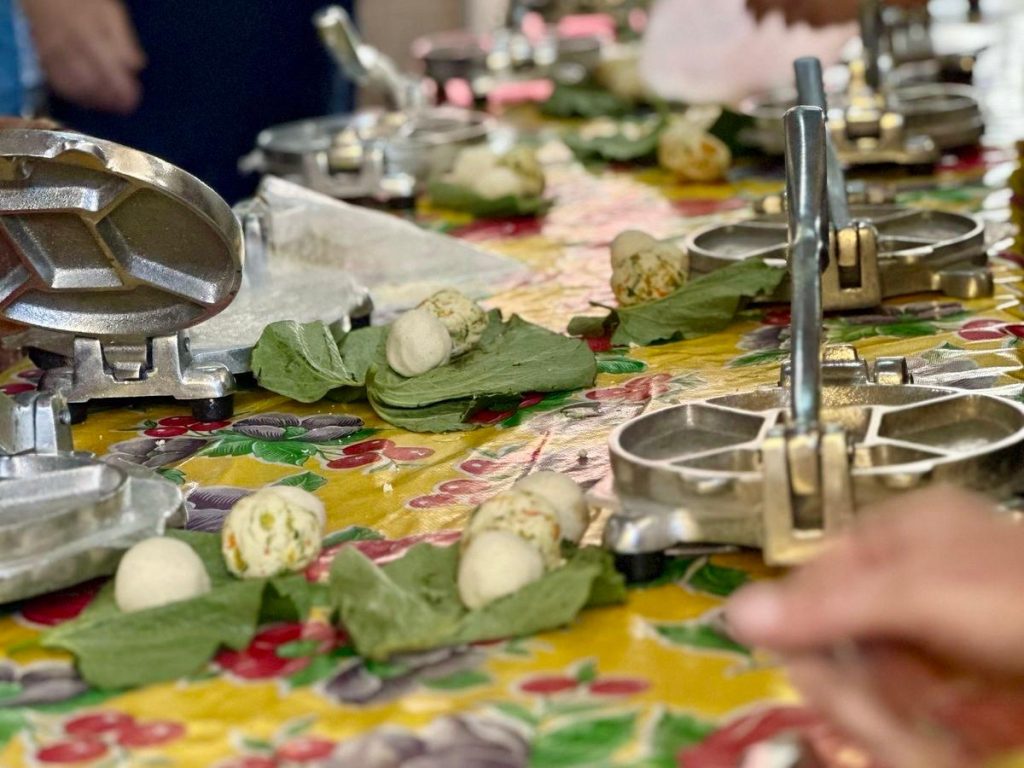
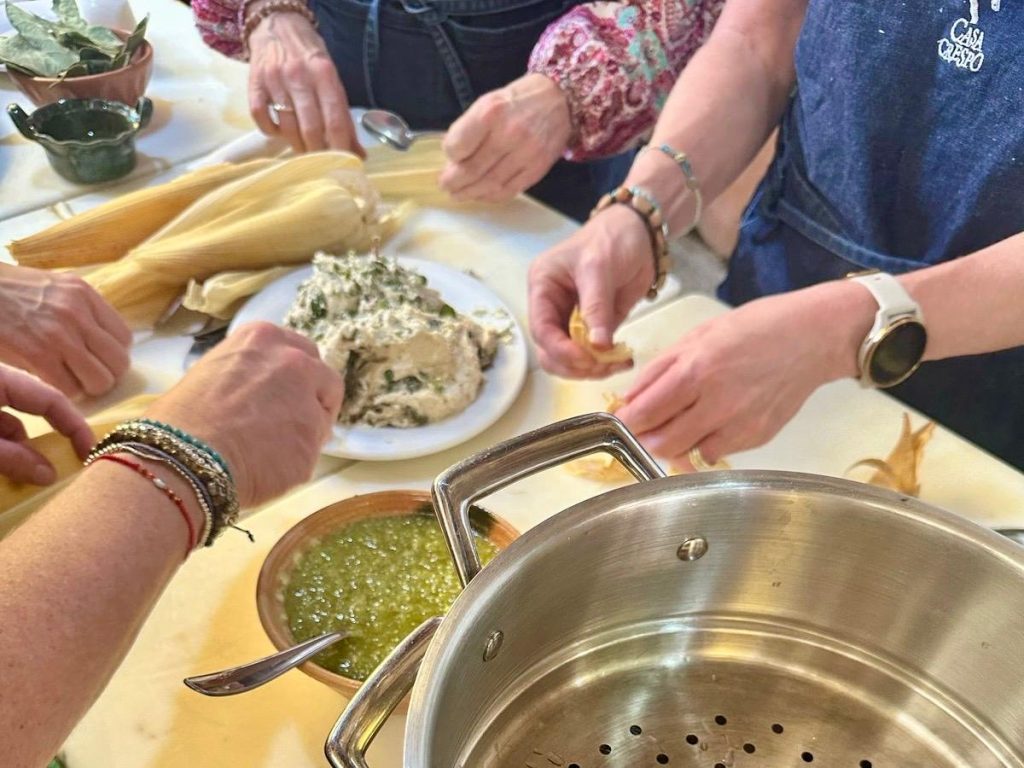
It helped to picture the site as it might have looked in its time — full of movement and ceremony. After Monte Albán, we drove to Zaachila for a cooking class. We started with a quick intro to native ingredients, then moved into hands-on prep: grinding corn, blending chiles, and cooking everything over a wood fire. It was practical and messy in the best way.


The next day we left the city behind and headed into the Sierra Juárez mountains. The hike was guided by a local from one of the nearby villages. The trail led us into a mesophyll forest, a space full of green — moss, vines, and trees with thick roots. The temperature dropped a bit under the canopy, and the path was soft with moisture. We paused often to look around or ask questions. There was no rush. We learned how the land is managed by the surrounding communities and how those efforts tie into broader conservation goals. It wasn’t a long or difficult hike, but it gave us time to be quiet and just observe.
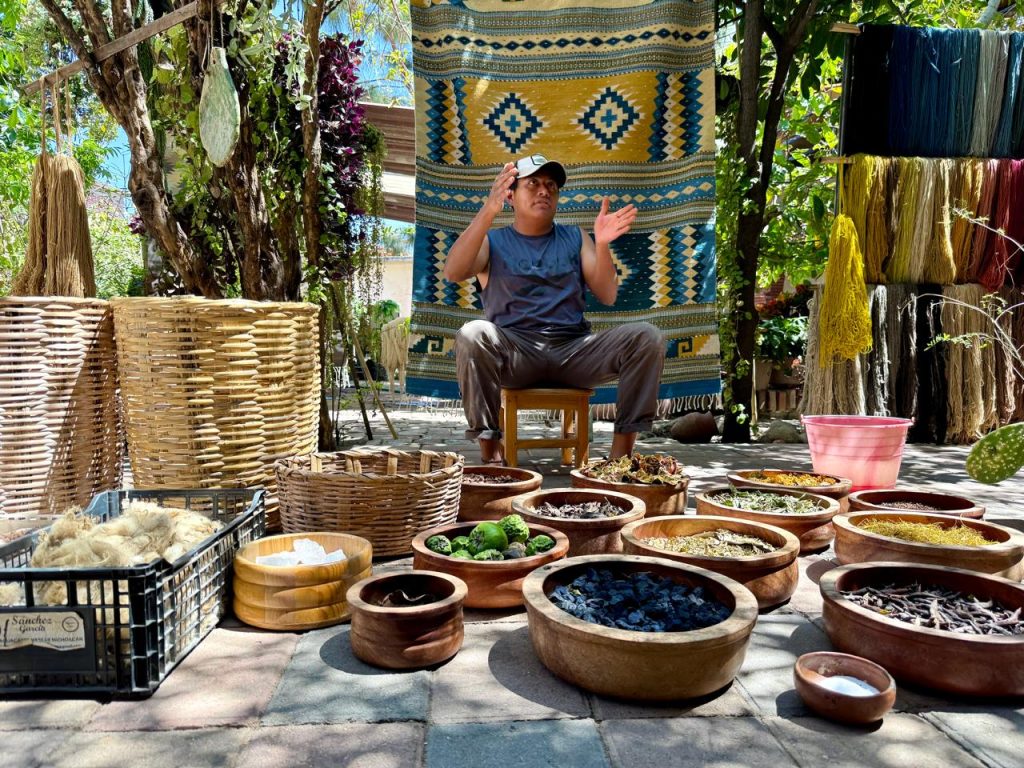
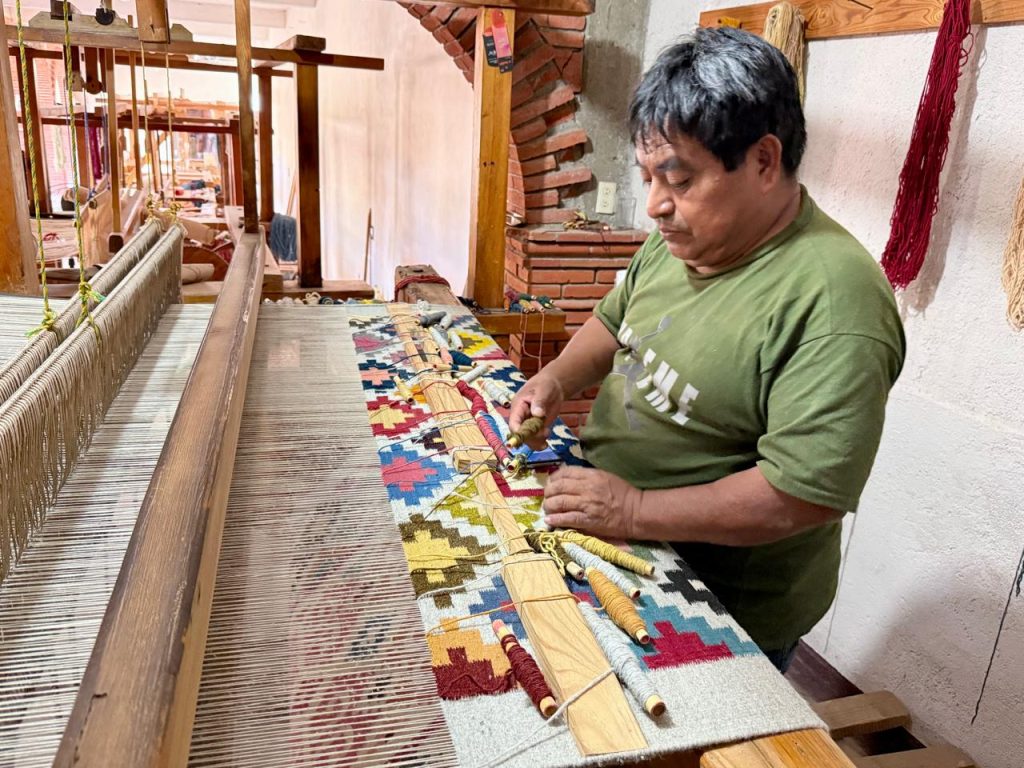
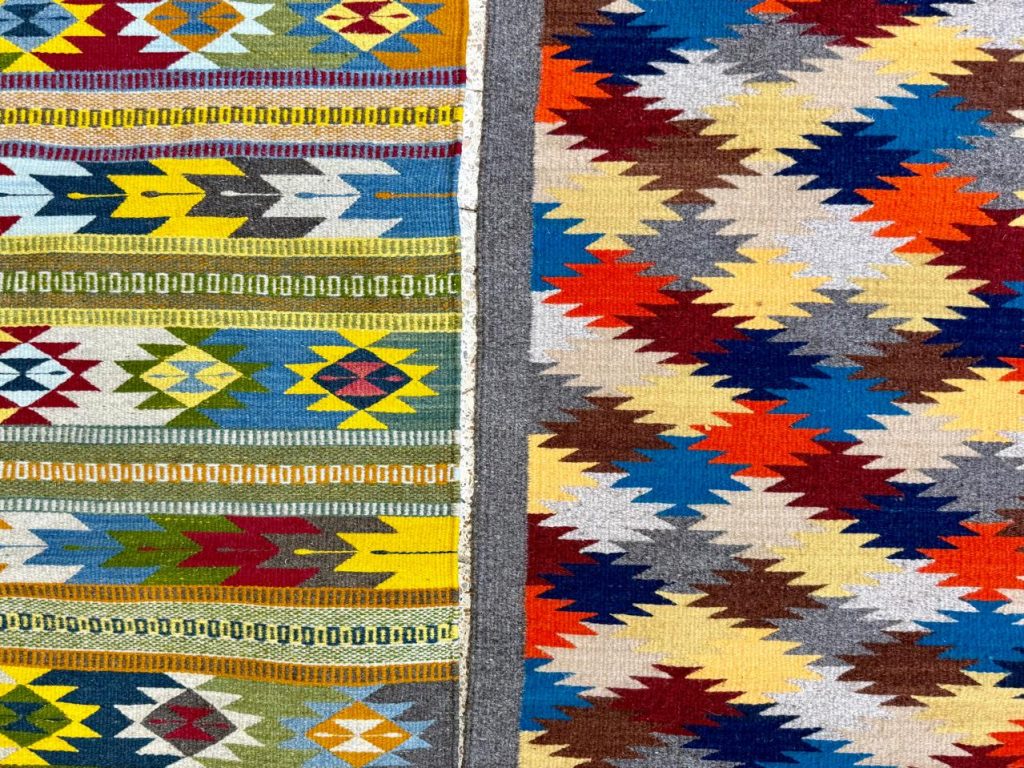
The following day was focused on two things: textiles and mezcal. We started in Teotitlán del Valle, a village known for its weaving traditions. At a family workshop, we watched the process from raw wool to finished rug. They showed us how natural dyes are made using plants, bugs, and minerals. Everything is done by hand, and each rug can take weeks.
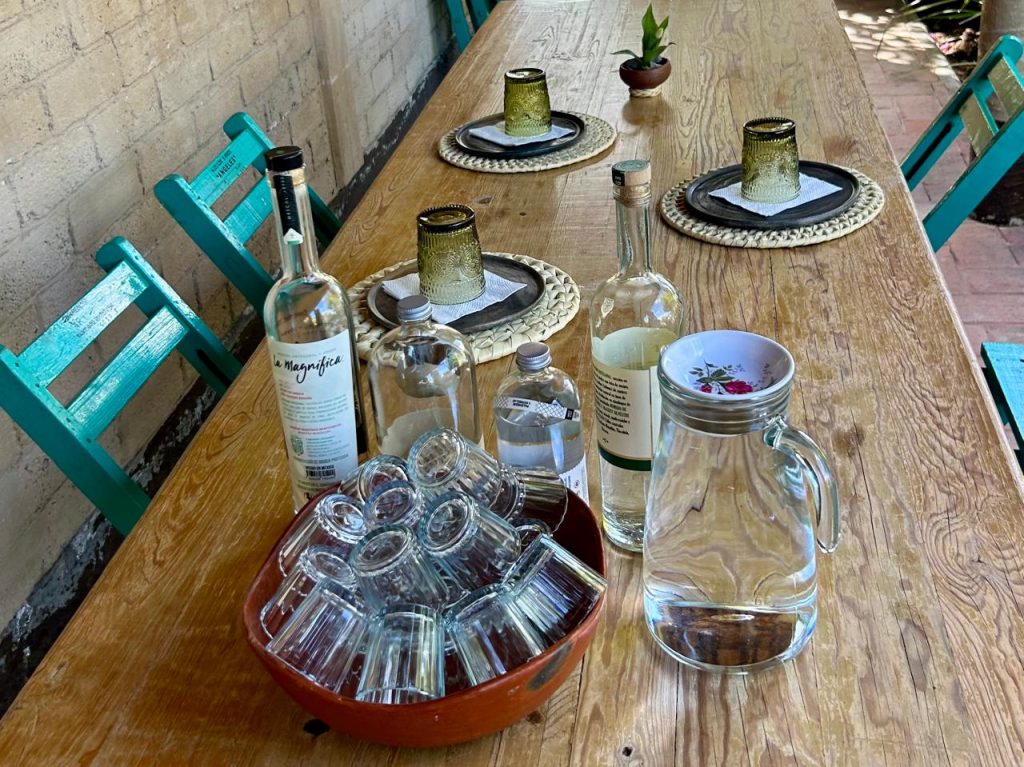
After that, we headed to Santiago Matatlán, which is often called the world capital of mezcal. There, we visited a small producer who still uses traditional methods. We saw the underground ovens, fermentation tanks, and copper stills. The tasting that followed was structured — we tried a few different types of mezcal, each paired with a local ingredient. The point wasn’t just flavor, but balance and process.


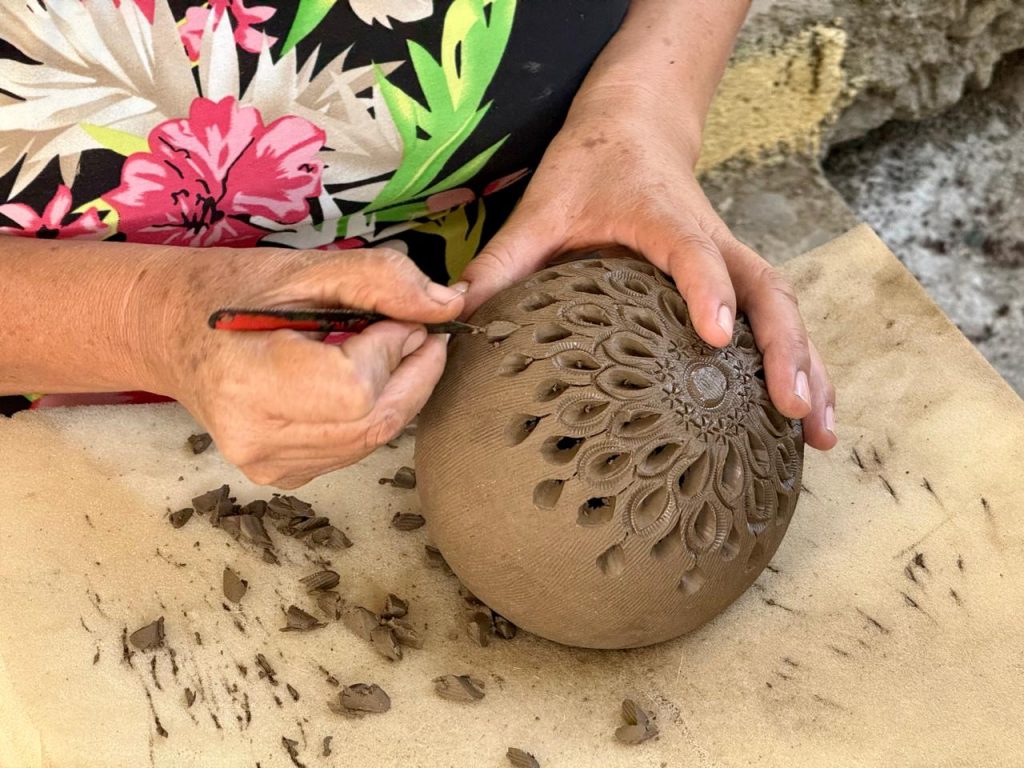
Day six was another deep dive into artisan work. First, we went to San Bartolo Coyotepec, where black clay pottery is made. The pieces have a deep, matte shine that comes from how they’re fired — no glaze is used. We watched a short demo and then wandered through the workshop’s shelves.
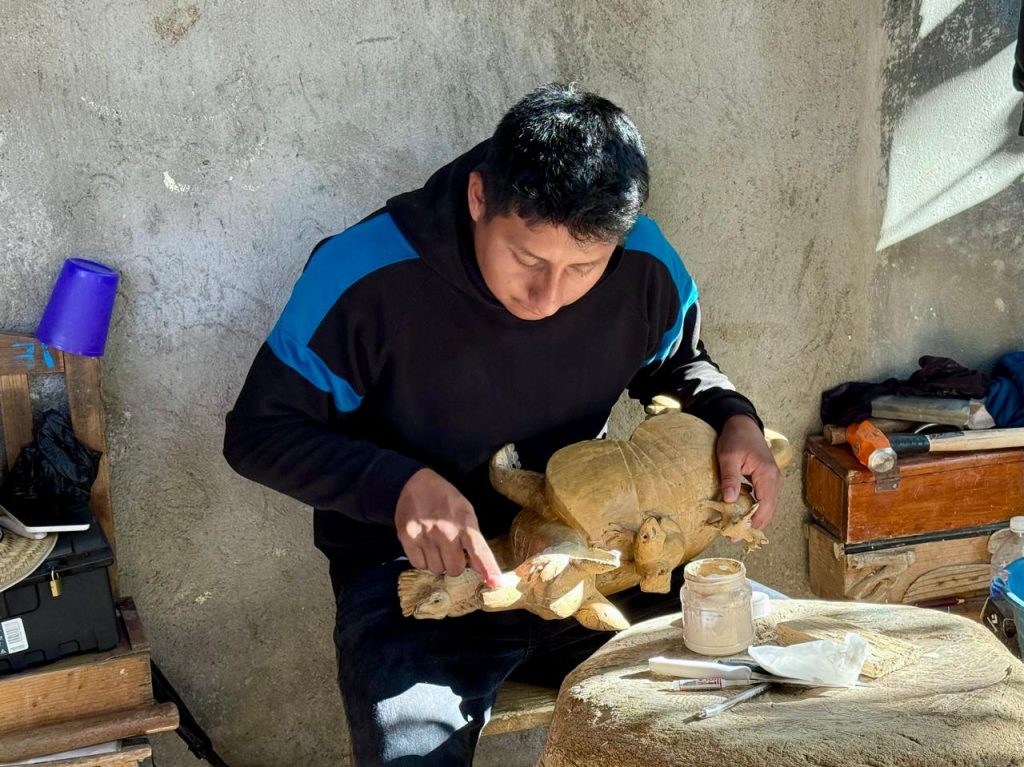
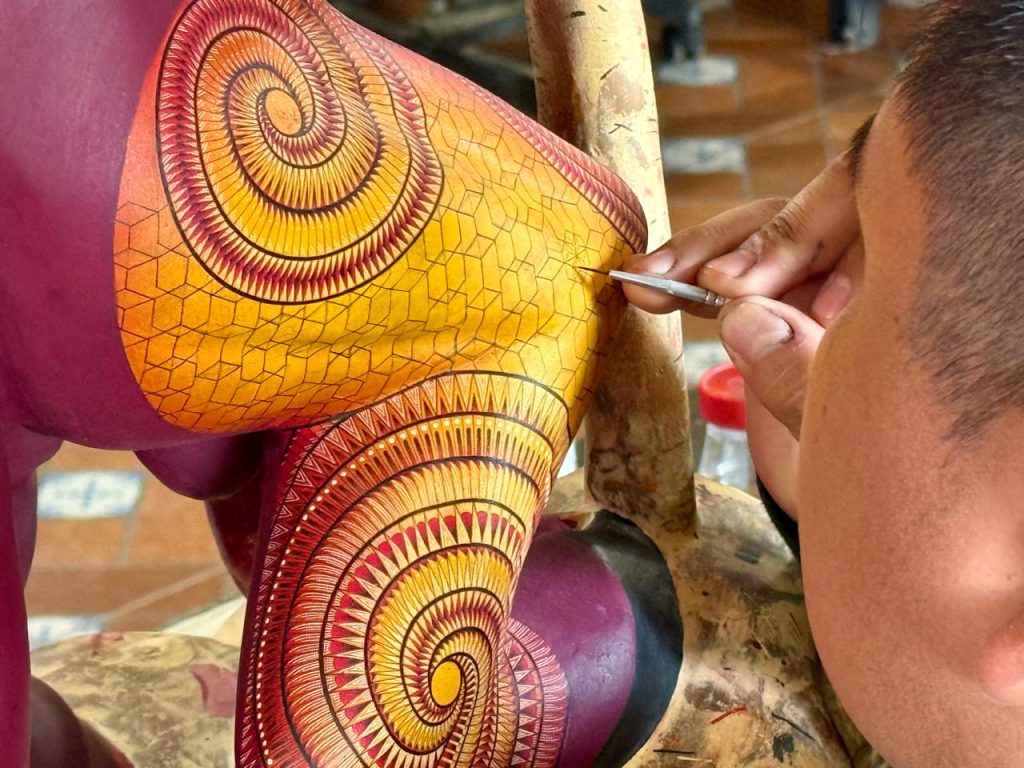
Later, in San Martín Tilcajete, we returned to the world of alebrijes. This time, we got to try our hand at painting some of the figures, even if just the base colors. Talking with the artists gave us a better sense of the discipline and time involved. These weren’t souvenirs — they were stories carved into wood.



The last full day was open. Some of walked through markets again or sat and relaxed in cafés. Others headed to museums or bought last-minute crafts.
The next morning, we packed up and headed to the airport.
Want to learn more about this itinerary or see how we can tailor it to match your company’s style and needs?
Just drop us a line at info@holacolega.com — we’d love to chat!